27th-30th Nov, 2026 Labhganga Exhibition Center, Indore
5th INTERNATIONAL PLASTICS EXHIBITION
5th INTERNATIONAL PLASTICS EXHIBITION
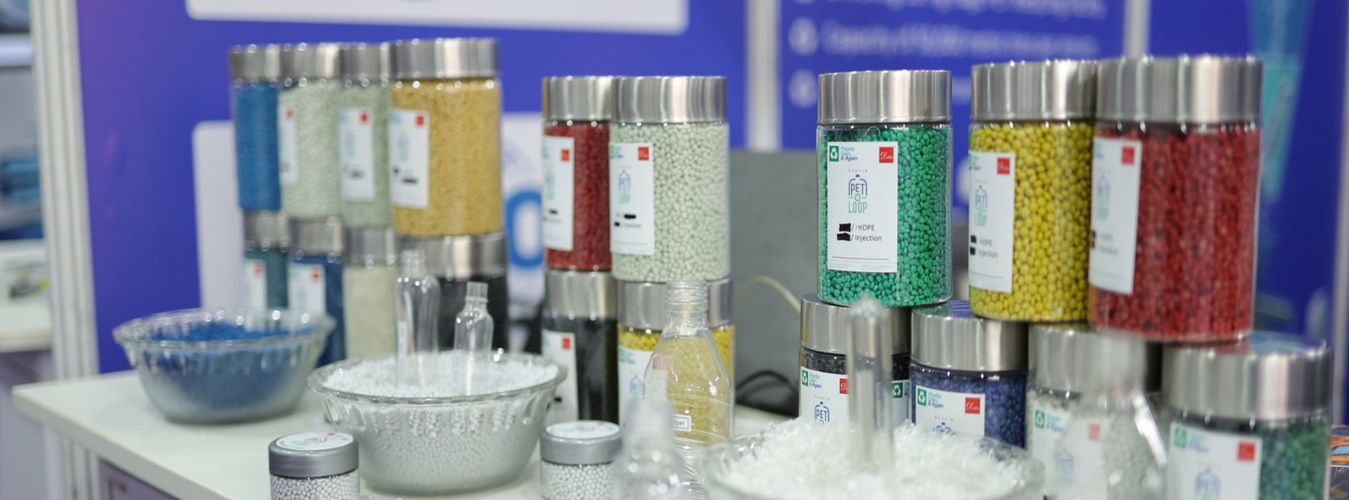
Plastics have become an integral part of modern life and industrial development. Whether it is packaging, construction, healthcare, automotive manufacturing or consumer goods, plastics are used in almost every sector because of their versatility, durability and cost-effectiveness.
However, many people are unaware that there are several types of plastics, each designed with unique properties and specific applications. Some plastics are flexible, while others are extremely strong. Some are ideal for food packaging, whereas others are better suited for engineering and industrial uses.
Understanding the different types of plastics and their applications helps manufacturers, businesses and consumers make informed decisions when selecting materials for products and projects.
Plastics are made from polymers, which are long chains of repeating molecular units. These polymers can be processed into various shapes and forms through techniques such as injection moulding, extrusion, blow moulding and thermoforming.
The physical and chemical properties of a plastic depend on its molecular structure. Factors such as strength, flexibility, transparency, chemical resistance and temperature resistance vary from one plastic type to another. This is why different plastics are used for different purposes.
No single plastic material can meet every industrial requirement. Different industries need materials with specific characteristics depending on the product and application.
Using the right plastic material helps businesses:
Choosing the correct plastic can significantly impact product quality and business profitability.
Polypropylene (PP) is one of the most widely used thermoplastic polymers in the world. It is manufactured from propylene monomers and is known for being lightweight, durable and resistant to chemicals. PP offers an excellent combination of strength, flexibility and affordability, making it suitable for a wide range of applications.
The material can withstand repeated bending without breaking and provides excellent resistance to moisture, acids and solvents. Due to these properties, PP is commonly used in industries that require durable and cost-effective plastic solutions.
Polyethylene (PE) is one of the most versatile and commonly used plastics worldwide. It is produced from ethylene and is valued for its flexibility, toughness and moisture resistance. PE is available in different grades, including HDPE and LDPE, each offering unique performance characteristics.
Its ability to withstand impact and environmental conditions makes it a preferred material for packaging, storage and industrial applications.
High-Density Polyethylene (HDPE) is a stronger and more rigid form of polyethylene. It has a higher density than standard PE, which gives it superior strength and durability.
HDPE is widely used in industrial, infrastructure and construction projects because it can withstand harsh environmental conditions, chemicals and heavy usage. It is also one of the most recyclable plastics available today.
Low-Density Polyethylene (LDPE) is a softer and more flexible version of polyethylene. Unlike HDPE, LDPE has a less rigid molecular structure, allowing it to bend and stretch without breaking.
This flexibility makes LDPE ideal for packaging applications where lightweight and flexible materials are required.
Polyvinyl Chloride (PVC) is one of the oldest and most widely used plastics in the world. It is produced from vinyl chloride monomers and can be manufactured in both rigid and flexible forms.
PVC is especially popular in the construction and infrastructure sectors because of its durability, weather resistance and cost-effectiveness. It can withstand years of exposure to environmental conditions with minimal maintenance.
Polyethylene Terephthalate (PET) is a strong, lightweight and transparent plastic commonly used in packaging applications. It provides excellent barrier properties that protect products from moisture and contamination.
PET is widely used in food and beverage packaging because it is safe, durable and highly recyclable. Its transparency also allows consumers to see the product inside the package.
Polystyrene (PS) is a lightweight plastic known for its insulation properties and ease of processing. It can be manufactured in both solid and foam forms, making it suitable for a variety of applications.
Because of its low cost and versatility, PS is widely used in disposable packaging and protective products.
ABS is a high-performance engineering plastic made from three monomers: acrylonitrile, butadiene and styrene. This combination provides excellent toughness, impact resistance and surface quality.
ABS is widely used in products that require strength, durability and an attractive finish. It performs well under physical stress and is easy to mould into complex shapes.
Polycarbonate (PC) is a transparent engineering plastic known for its exceptional impact resistance and heat resistance. It is often used as a lightweight alternative to glass because it offers similar transparency with significantly greater durability.
Its combination of strength and clarity makes it ideal for safety and industrial applications.
Nylon, also known as Polyamide (PA), is an engineering plastic valued for its strength, wear resistance and low friction properties. It is widely used in mechanical and industrial applications where components are subjected to continuous movement.
Because of its durability and reliability, Nylon is often used as a replacement for metal parts in certain applications.
Acrylic, technically known as Polymethyl Methacrylate (PMMA), is a transparent plastic commonly used as a substitute for glass. It offers excellent optical clarity while being lighter and more impact-resistant than traditional glass.
Its attractive appearance and weather resistance make it popular across commercial and decorative applications.
The packaging sector relies heavily on plastics because they provide product protection, durability and convenience.
Common materials include:
These materials are used in bottles, pouches, films, containers and protective packaging solutions.
Modern vehicles contain numerous plastic components that help reduce overall weight and improve fuel efficiency.
Common materials include:
These plastics are used in dashboards, bumpers, lighting systems and interior components.
The construction sector uses plastics because of their durability and resistance to environmental conditions.
Common materials include:
Applications include pipes, fittings, roofing sheets, windows and electrical insulation.
Many household and personal products are made using plastics because they are affordable, durable and easy to manufacture.
Common materials include:
Applications range from kitchen products and electronics to decorative items and storage solutions.
Selecting the right plastic depends on several factors:
Understanding these factors helps manufacturers improve product quality, performance and cost efficiency.
The plastics industry continues to evolve through innovation and sustainability initiatives. Key trends include:
These developments are helping industries improve efficiency while reducing environmental impact.
Plastics play a vital role in modern manufacturing and everyday life. From flexible packaging and beverage bottles to industrial machinery components and construction materials, different plastic materials serve different purposes based on their unique properties. Understanding the characteristics, advantages and applications of plastics such as PP, PE, PVC, PET, ABS and Nylon can help businesses make informed decisions and improve product performance. As technology continues to advance, innovative and sustainable plastic solutions will remain essential for supporting industrial growth and meeting future market demands.
PP, PE and PET are among the most commonly used plastics in the packaging industry.
HDPE is stronger and more rigid, while LDPE is softer, more flexible and commonly used in packaging films.
PET is lightweight, transparent, durable and highly recyclable, making it ideal for food and beverage packaging.
PVC is one of the most widely used plastics in construction due to its strength, durability and weather resistance.
PP, ABS, Nylon and Polycarbonate are frequently used in automotive components because of their durability and lightweight properties.
© Plastpack 2026 | Designed by Whiteelephanttech